November 11, 2026
Best Bar NYC Venues for Seasonal Gatherings
By @deanfvaq940
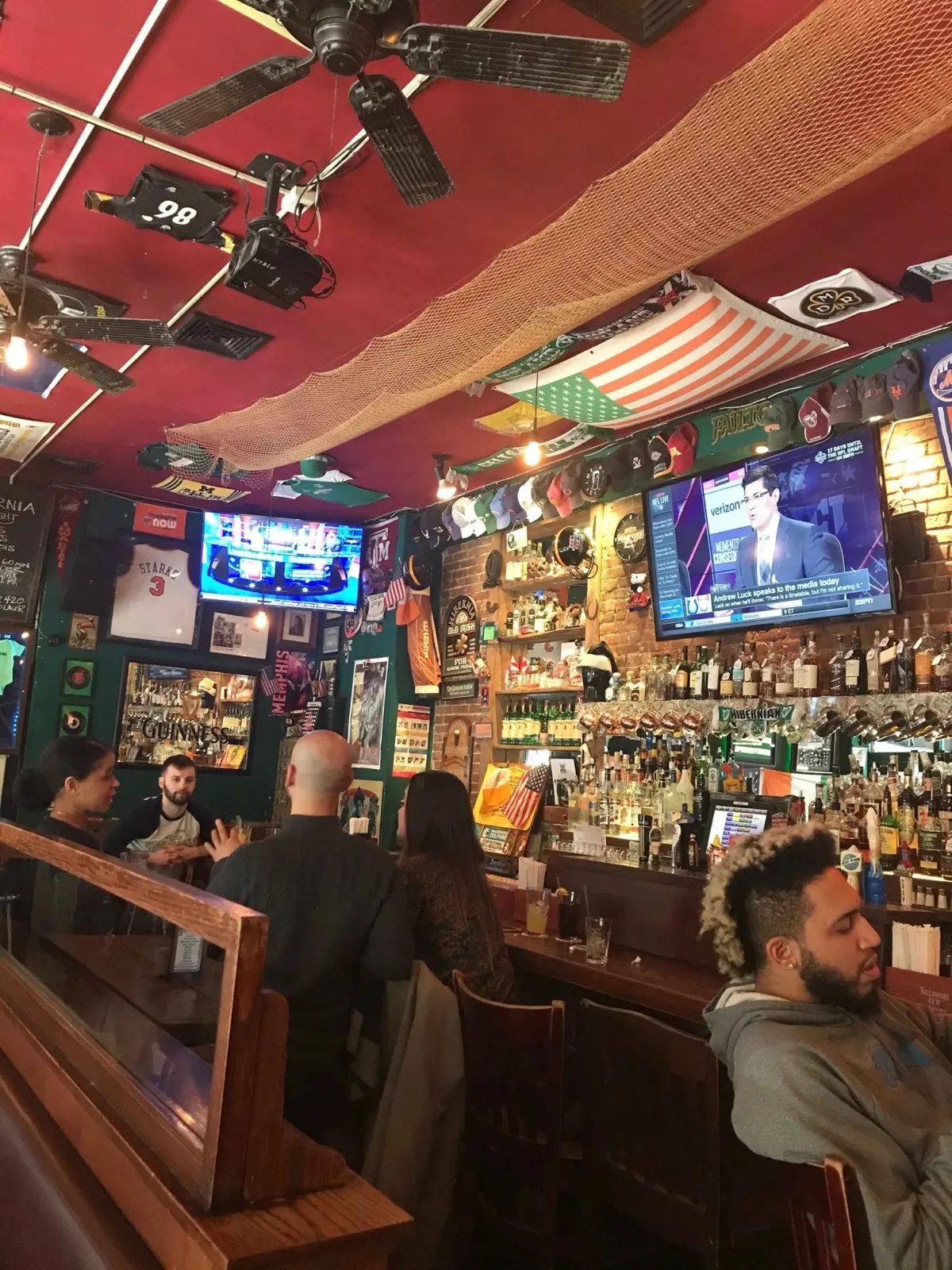
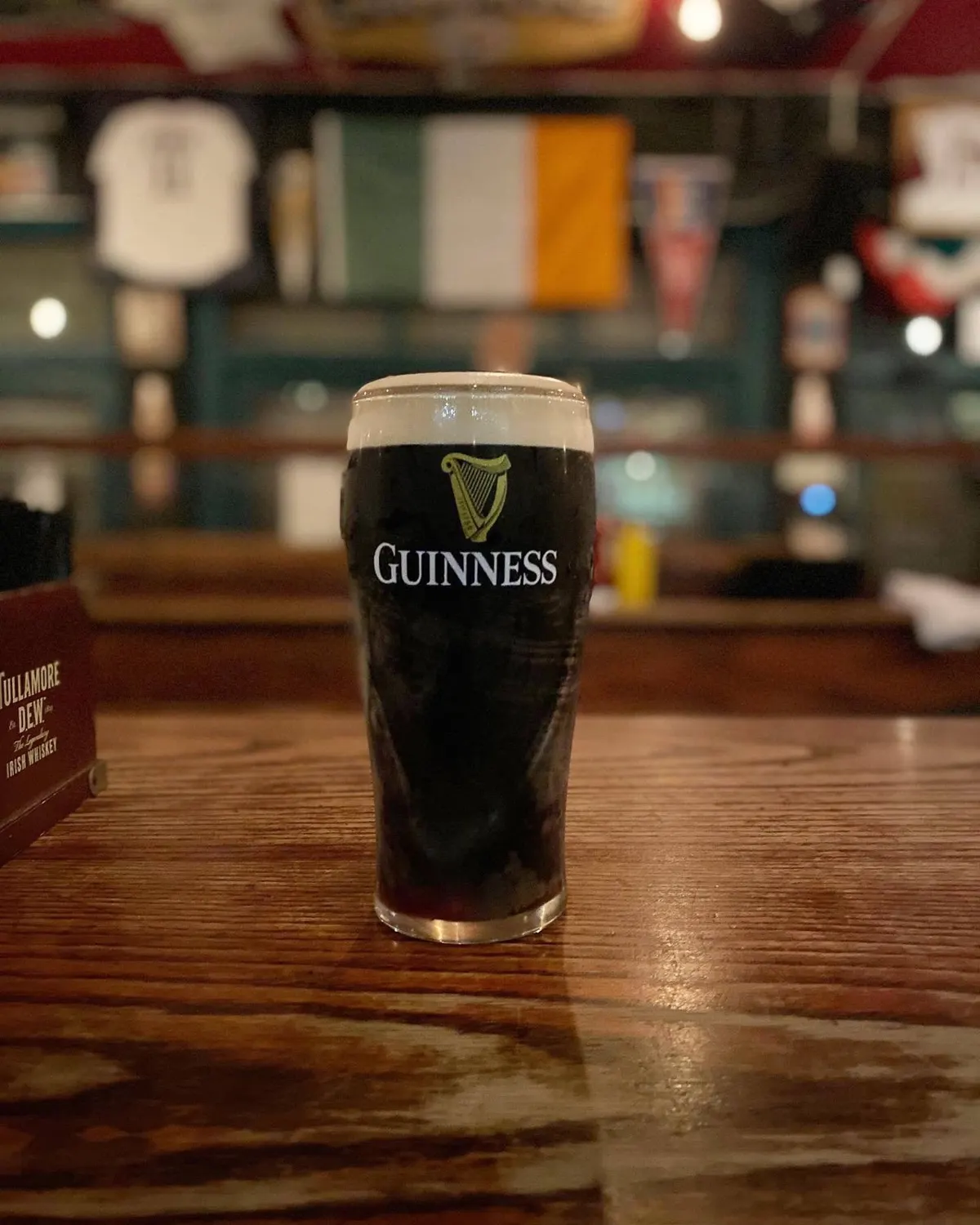
New York has no shortage of places to drink, but not every bar works for a seasonal gathering. That distinction matters more than people expect. A room that feels lively on a Thursday in October can feel cramped during a holiday rush in December. A breezy rooftop that photographs beautifully in May can become a logistical headache when spring rain rolls in. The best Bar NYC venues for seasonal gatherings are not simply fashionable or well reviewed. They understand timing, weather, flow, staffing, food pacing, and the subtle social mechanics that make a group event feel easy.
That is where a lot of planning succeeds or fails. Hosts often start with aesthetics, which is understandable. They want warm lighting in winter, open windows in spring, a skyline in summer, or a tucked away back room in fall. But after years of attending and helping coordinate everything from client mixers to birthday buyouts, I have seen the same lesson repeat itself. Guests remember how a place made them feel. They remember whether they could hear one another, whether the cocktails arrived before patience ran out, whether there was somewhere to put a coat, and whether the room had enough energy without tipping into chaos.
Seasonal gatherings in New York ask for a little more judgment than standard happy hours. Weather changes attendance patterns. Transit delays shape arrival windows. Holiday calendars compress availability. Summer weekends pull people outdoors, while winter drives them inside earlier than expected. A bar that handles those shifts well becomes more than a backdrop. It becomes part of the reason the event works.
What makes a bar right for the season
The strongest venues adapt to the city’s rhythms instead of fighting them. In practical terms, that means a good winter venue should not rely solely on visual coziness. It also needs reliable coat storage, enough physical space between tables for people wearing bulkier layers, and a drink menu that can move quickly even when demand spikes. Hot cocktails are appealing, but if every second order requires a complicated build, service can bottleneck fast.
Spring puts different pressure on a room. Guests arrive with more energy, often in smaller waves rather than all at once. They want flexibility. A front room with natural light, windows that open, or an indoor-outdoor transition tends to work well. The challenge is unpredictability. New York spring weather can swing from bright and mild to cold and wet in the same afternoon. Bars that offer a patio only matter if the indoor plan is equally solid.
Summer is the season when many hosts overvalue rooftops. A rooftop can be fantastic, but only when there is shade, a storm backup, and enough staff coverage to keep lines short. Heat changes drinking habits. People order lower alcohol cocktails, spritzes, beer, and plenty of water, often at a faster cadence. Venues that know how to pace that kind of service tend to outperform places that are beautiful but operationally thin.
Fall may be the easiest season to plan for, which is one reason so many excellent gatherings happen then. Attendance is usually stronger after Labor Day, people settle back into routines, and bars often have enough atmospheric warmth to feel inviting without needing the full holiday production. If you want a place with character, this is often the best season to prioritize wood, candlelight, vinyl banquettes, and private corners over spectacle.
The venue styles that consistently work
When people search for a Bar NYC venue, they often think in terms of neighborhood first. That matters, but style and layout usually shape the experience more than postal code. Certain bar formats consistently handle seasonal group events better than others.
A classic cocktail bar with a semi-private room is one of the safest choices for mixed groups. These spaces tend to balance hospitality with structure. They can host team events, birthdays, engagement drinks, or industry mixers without forcing a rigid atmosphere. The best versions offer a menu that includes a few recognizable drinks, a few originals, and enough food to prevent the event from turning into a pure drinking session. This setup works especially well in fall and winter.
A wine bar with standing room and a modest food program can be excellent in spring. These spaces encourage circulation and conversation. They are ideal when guests may come and go over a two or three hour window. The risk is underestimating how loud they can become once every table fills. A packed wine bar can go from intimate to deafening in half an hour, so room acoustics matter.
Beer halls and larger tavern style spaces remain underrated for seasonal gatherings, particularly when the guest list includes different age groups or broader friend circles. They remove some of the pressure. Not everyone needs to appreciate amaro or know what they want from a backbar. In colder months, these spaces also tend to absorb last minute increases in attendance better than narrow cocktail dens.
Then there are rooftops and terrace bars, which dominate summer conversations for obvious reasons. They can be memorable, but they require the hardest scrutiny. Ask whether the reserved area gets direct sun from 5 to 7 p.m. Ask how many umbrellas or shaded sections exist. Ask what happens if there is lightning, not just light rain. Many disappointments begin with assumptions no one tested.
Neighborhoods change the mood more than the invitation does
There is no universal best area for a seasonal gathering. There is only the best fit for your group. Manhattan remains the easiest sell for mixed office groups and out of town guests because transit is simple and the address feels familiar. That convenience has a cost. In many Manhattan bar districts, especially during the holiday season, venues book early and often impose tighter minimums.
Brooklyn can offer a more relaxed social texture, particularly for creative teams, birthdays, and friend groups who want less formality. Neighborhoods with strong restaurant and bar density are useful because they give stragglers options before and after the event. If the main venue fills up or the night wants to continue, that flexibility helps.
Downtown areas often suit high energy summer or spring events, where the gathering is as much about movement and atmosphere as it is about sitting in one place. Uptown or quieter residential pockets tend to shine in winter, when people appreciate a destination that feels removed from the churn.
One thing I advise hosts to consider early is who will resent the commute. It sounds blunt, but it is real. A beautiful venue loses value fast if a third of your invite list quietly decides it is too annoying to reach on a weeknight. For corporate or networking events, centrality usually beats coolness. For birthdays or reunions, character can justify extra travel if the venue is strong enough.
Winter gatherings need more than holiday decor
Every December, people get seduced by garlands, candlelight, and seasonal cocktails. Those details help, but winter comfort is more practical than decorative. The strongest winter bars handle volume without making guests feel processed. That usually means enough staff at the door, a room that does not turn into a shoulder to shoulder crush by 7 p.m., and service that moves with confidence.
If you are booking a Bar NYC venue for late November through early January, expect competition. Offices hold parties, friend groups schedule reunions, and family gatherings spill into bar reservations. This is the season when clear contracts matter most. Minimum spends, cancellation windows, gratuity structures, and start-end times should all be settled in writing. I have seen too many hosts assume they had a private area, only to discover they had a loosely roped corner with heavy walk-through traffic.
The best winter venues usually share a few traits. They offer food substantial enough to support a two or three drink evening. They have acoustics that still allow conversation. They control the door. They also understand pacing. During holiday season, guests often arrive in clusters after train delays, office overrun, or shopping detours. A good venue knows not to panic if the first half hour looks slow.
Bar NYCOne practical detail that often gets overlooked is coat management. If a bar lacks a coat check or at least a designated storage zone, furniture and guest comfort deteriorate quickly. Nothing makes a room feel smaller than thirty winter coats draped over banquettes and chair backs.
Spring events reward flexibility
Spring is one of New York’s most pleasant seasons for a gathering, and one of the easiest to misjudge. Everyone wants fresh air, but the weather rarely cooperates on command. The smartest spring bookings are made with a split personality in mind. The venue should feel appealing indoors even if the patio becomes unusable.
Natural light does a lot of work this time of year. It makes after-work events feel less transactional and social gatherings feel more spontaneous. That is why bars with front windows, atriums, retractable walls, or conservatory-like back rooms often overperform in April and May. They capture the optimism people want from the season without gambling everything on outdoor seating.
Spring also supports a wider range of event formats. A client mixer can feel casual rather than stiff. An engagement celebration can feel festive without the pressure of peak wedding season. Even a straightforward birthday drinks reservation benefits from the city’s lighter mood. Guests are generally more willing to linger, and venues can sometimes offer more favorable terms before summer traffic fully picks up.
Summer works best when logistics stay invisible
Summer gatherings in New York can be magical. They can also become sweaty, expensive, and unnecessarily complicated. The strongest summer bar events are the ones where logistics disappear into the background. Guests should not have to think about whether there is enough ice water, whether there is shade, or whether they need to sprint downstairs if a storm blows through.
Rooftops get the attention, but ground-level spaces with courtyards, garden patios, or wide open facades often deliver a better experience. They are easier to access, less exposed to weather disruption, and often less dependent on a single wow factor. A rooftop with a skyline can impress for ten minutes. A comfortable terrace with reliable service can carry three hours with no strain.
Heat also changes consumption patterns in ways hosts should account for. People drink faster, but often lighter. Frozen cocktails may sound fun, but they can slow a bar down if the machine capacity is limited. Batches, spritzes, cold beer, and straightforward seasonal cocktails tend to support flow. Food matters too. Heavy passed bites disappear less cleanly in July than crisp vegetables, chilled seafood, skewers, or compact fried snacks with easy napkin handling.
For summer, I usually tell hosts to ask fewer style questions and more resilience questions.
- What is the rain plan, and does it preserve the same guest capacity?
- How much of the reserved area is shaded between late afternoon and early evening?
- Is there a dedicated service team for the event, or are you sharing staff with the full venue?
- Can the kitchen sustain peak-time orders without turning snacks into an hour-long wait?
- Will amplified music or DJ volume rise as the night goes on?
Those five questions reveal more than a photo gallery ever will.
Fall is the sweet spot for atmosphere
If I had to pick one season that gives hosts the highest chance of success, it would be fall. The city regains its pace after summer drift, evenings cool down, and bars seem to hit their natural stride. Outdoor setups remain usable well into October in many cases, but interiors start to feel inviting again. That overlap creates options.
Fall is ideal for gatherings that need both warmth and energy. Team celebrations, alumni meetups, milestone birthdays, and low key engagement parties all tend to land well in this window. Guests are more likely to commit, less likely to vanish on vacation, and often in the mood for a proper night out. Menus help too. Many bars roll out their strongest seasonal food and drink offerings in early fall, when produce is still vibrant but richer flavors begin to appear.
This is also a season where old-school bars often shine. A room with polished wood, excellent martinis, and a back area for twenty to thirty people can feel more memorable than a trend driven opening. The point is not nostalgia for its own sake. It is about ease. Fall gatherings succeed when the venue supports conversation and makes people want to stay for one more Bar NYC round.
Private rooms versus partial buyouts
Hosts often assume a private room is the gold standard, but that is not always true. A private room gives control, better acoustics, and a stronger sense of occasion. It also risks feeling flat if turnout is lighter than expected. Nothing exposes attendance gaps like too much enclosed space.
A partial buyout, by contrast, can create more energy because the event borrows life from the surrounding bar. For birthdays, product launches, and casual company events, that ambient activity can be a benefit. Guests feel like they are in the city, not sealed off from it. The trade-off is noise and less environmental control.
Full buyouts make sense when the gathering needs branding, speeches, custom music, or a highly managed guest list. They are expensive, especially in prime Manhattan markets during holiday season, but they remove uncertainty. If a host wants a precise experience and the budget supports it, a full buyout can be worth the premium. If the goal is simply a great social night, it is often more venue than necessary.
The right choice depends on what matters most: intimacy, energy, budget predictability, or operational control. Good planners are honest about that before touring spaces.
Food and drink packages can quietly shape the whole night
There is a persistent temptation to minimize food in bar events, especially when the host assumes people will have eaten before arriving. In practice, that rarely holds. Guests come from work, transit, other plans, or no plan at all. Even at a drink-centered gathering, the food offering influences mood, pacing, and perceived generosity.
Passed appetizers create movement and help break early stiffness. Stationed platters work when the group is settled and the space allows natural congregation. Open bar packages sound simple, but they only feel generous if the menu is well designed. A narrow package with weak wine and one forgettable vodka soda option often creates more friction than a thoughtfully curated limited menu.
The best event menus reflect the venue’s strengths. If a place is known for martinis and oysters, lean into that. If it excels at natural wine and seasonal small plates, let that identity lead. Trying to force every venue into the same package format can flatten what made it appealing to begin with.
The details guests notice even when they never mention them
People may compliment the cocktails or the room, but the most important details often go unspoken. They simply shape whether the night feels smooth.
A short checklist helps during site visits:
- Stand in the reserved area and listen for ten full minutes.
- Time the walk from entrance to restrooms.
- Ask where coats, gifts, or branded materials will actually go.
- Watch one round of drinks travel from bar to guest.
- Check lighting at the actual hour of your event.
Those details sound small until they are not. I once attended a winter gathering in a handsome downtown space with excellent drinks and a generous host. The room looked perfect on paper. By 7:15 p.m., however, coats had swallowed every spare chair, the restroom line cut through the mingling area, and the music level had climbed just enough to strain conversation. None of those issues were dramatic on their own. Together, they changed the tone of the evening.
That is often how venue quality reveals itself in New York. Rarely through one catastrophic flaw, more often through the accumulation of smart decisions or avoidable oversights.
How to book with confidence in a crowded market
The strongest Bar NYC venues get booked early, especially for late spring Thursdays, summer rooftop windows, and nearly all December dates. If your gathering matters, start sooner than your instincts tell you. For high-demand periods, two to four months is reasonable for medium-sized group reservations, and longer for private rooms or buyouts.
When you reach out, clarity improves your results. Give a realistic guest count range, preferred arrival window, event type, budget parameters, and whether you need seated dining, passed food, or simply drinks with light bites. Ambiguity slows the process and often leads venues to hold back their best suggestions.
It also helps to be candid about priorities. If accessibility is non-negotiable, say so immediately. If you need a weather-proof outdoor component, state it upfront. If your group includes serious cocktail drinkers, or just as important, many guests who want uncomplicated beer and wine, that should guide the recommendation. New York venues are used to tailoring proposals. What they need is useful information.
Site visits remain worth the effort whenever possible. Photos distort scale, soften noise, and conceal circulation problems. A room can look expansive online and feel tight in person. It can appear moody in professional images and turn murky at 6 p.m. Under real conditions. Even a quick in-person stop can prevent an expensive mismatch.
Choosing a place that fits the gathering, not just the feed
A memorable seasonal bar event in New York rarely comes down to trendiness alone. It comes from alignment. The season, the guest list, the neighborhood, the room layout, and the service model all need to point in the same direction. When they do, the venue feels effortless. Guests settle in quickly, conversations form naturally, and the host gets to enjoy the event instead of managing it.
That is the real benchmark for the best Bar NYC venues for seasonal gatherings. Not whether they are impossible to book, photographed a thousand times, or attached to the newest opening. The right place is the one that understands the city’s tempo and supports the kind of evening you actually want to have. In New York, that kind of fit is worth more than hype, and guests can feel the difference almost immediately.
Hibernia Bar
401 W 50th St
New York, NY 10019
(212) 969-9703
FAQ About Bar NYC
What is there to do in Hell's Kitchen, NYC?
Explore the restaurants and bars along Ninth Avenue, catch a Broadway show nearby, or visit the Intrepid Museum on the Hudson River. Hibernia Bar is at West 50th Street and Ninth Avenue, a convenient stop before or after a show.
What are some bars in New York City that serve good food?
Hibernia Bar in Hell's Kitchen serves wings, burgers, fish and chips, and shepherd's pie. Its kitchen lists a 2 a.m. closing time, which makes it an option for dinner after a show or a game.
How far is Hell's Kitchen from Times Square?
Hell's Kitchen is just west of Times Square. From Broadway and West 45th Street, Hibernia Bar is roughly 0.6 miles away, or about a 12-minute walk depending on crowds.
❧