November 11, 2026
Bar NYC Essentials: What Every Visitor Should Know
By @deanfvaq940
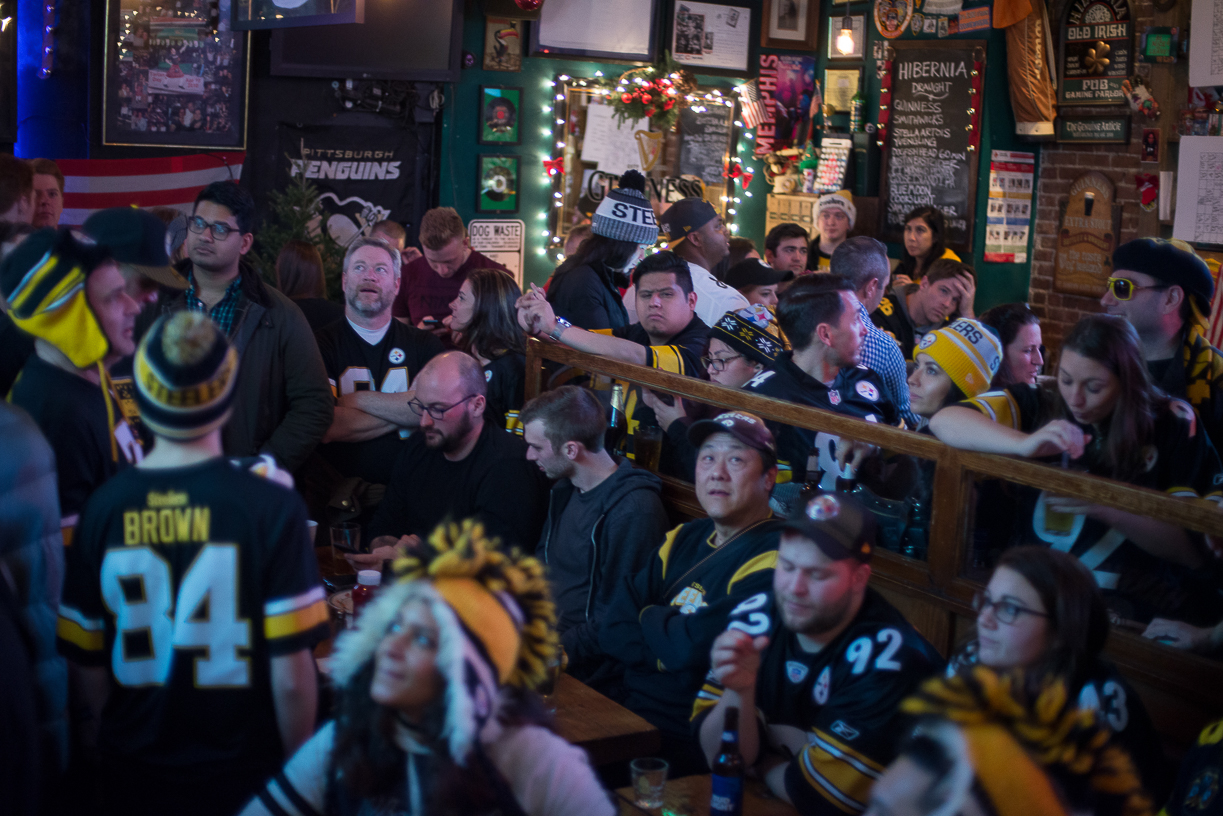
New York rewards curiosity, but it does not always reward improvisation. That is especially true once the sun goes down and the city turns into a maze of cocktail bars, corner taverns, rooftop lounges, hotel bars, sports pubs, wine bars, listening rooms, and places that resist any category at all. Visitors often arrive with a movie version of nightlife in mind, then discover that the real experience depends on timing, neighborhood, budget, and a few unwritten rules that locals follow without thinking.
A good night out in a Bar NYC setting is rarely about finding the single "best" place. It is about matching the place to the mood. Sometimes that means a polished lounge with reservations and a $22 martini. Sometimes it means a narrow East Village bar where the music is just loud enough to give everyone an excuse to lean in. Sometimes it means a Midtown hotel bar because you have theater tickets in an hour and need one excellent drink, quickly, without crossing half the island.
Visitors who understand how New York bars actually work tend to have a far better time. They spend less time waiting in pointless lines, less money on forgettable rounds, and less energy trying to force one neighborhood to be something it is not. The city offers almost every style of drinking experience imaginable. The trick is knowing what to expect before you push open the door.
Start with the practical realities
The first thing to know is simple and non-negotiable: bring valid identification. New York bars, especially in busy areas and at night, can be strict. It does not matter if you are obviously older than 21. Many bartenders and door staff are trained to card anyone who looks under 35, and some venues card everyone as policy. A physical government-issued ID is the safest choice. A photo on your phone will usually not help.
The second reality is cost. Drinks in New York vary wildly, but most visitors underestimate the baseline. At a neighborhood dive bar, a beer and a shot can still be relatively manageable, though even those bargains are less common than they used to be in central Manhattan. At a standard cocktail bar, expect prices that often land in the high teens to low twenties per drink before tip. At a rooftop or luxury hotel bar, you can spend much more without trying very hard. Wine by the glass and simple mixed drinks often sit somewhere in the middle, but "middle" in New York may still feel expensive if you are coming from a smaller city.
Timing matters almost as much as money. Some bars are best early, before the room fills and the staff gets slammed. Others do not find their energy until 10 p.m. Or later. A quiet place at 6:30 may become shoulder-to-shoulder by 8:00. That can be exciting, but only if you expected it. If you want conversation, show up earlier. If you want atmosphere and momentum, later may be better.
Not every neighborhood drinks the same way
Visitors often talk about New York nightlife as if it were one scene. It is not. A bar in the West Village, a beer hall in Brooklyn, and a sleek lounge in NoMad may all be "going out," but the rhythm, dress, noise level, and expectations can be completely different.
The West Village tends to pull people looking for charm, date-night energy, and small rooms with strong personalities. Places there can fill quickly, and the mood often leans intimate rather than rowdy. The Lower East Side and East Village have long attracted younger crowds, industry workers, and anyone happy to trade polish for movement and choice. Midtown, despite its reputation for tourists and office workers, can be practical and surprisingly strong if you want hotel bars, pre-show drinks, or a polished business-friendly setting. Brooklyn offers everything from natural wine bars to cavernous breweries, but travel time becomes part of the calculation.
If you only have one night, do not try to "cover" too much ground. Bar hopping in New York sounds romantic until it becomes a sequence of packed subway rides, coat checks, and long waits. It is usually better to choose one core neighborhood and stay there. Walking from place to place is part of the pleasure, and it gives the night a natural flow.
Here is a quick sense of what different areas often deliver:
- West Village: cozy cocktail bars, date spots, strong atmosphere, smaller spaces
- Lower East Side and East Village: variety, louder rooms, younger energy, easier casual hopping
- Midtown and NoMad: hotel bars, business drinks, polished service, convenient for theater or events
- Williamsburg and parts of Brooklyn: more room, a broader mix of trends, stronger brewery and wine bar options
- Financial District and nearby: useful for after-work drinks, quieter later at night in some pockets, with occasional standout destinations
That summary is useful, but it does not replace judgment. A single excellent bar can justify a trip to a neighborhood you would otherwise skip. The point is to understand the default mood of an area before you commit your evening to it.
Reservations can save a night, but they can also overcomplicate it
New Yorkers tend to split bars into two broad camps: places you can walk into if you are smart about timing, and places where planning matters. Visitors sometimes assume bars are always spontaneous. That is true at many neighborhood spots, but not at in-demand cocktail bars, rooftops, and hybrid restaurant-bar spaces.
If a place is known for serious drinks, skyline views, or social media visibility, reservations may be essential, especially on Thursday through Saturday nights. The city is full of bars that look relaxed online but are functionally booked out by 7 p.m. On the other hand, locking your whole evening into rigid reservation times can drain the fun out of it. There is a balance to strike.
A practical strategy is to reserve the one place you care about most, then leave the rest of the night flexible. That approach gives you an anchor without turning a night out into a military operation. If your reserved bar is near several other solid options, you can improvise before or after with much less risk.
The line outside does not always mean the bar is worth it
This is one of the most common visitor mistakes. A line can mean hype, limited capacity, a slow door policy, or a room so small that ten waiting guests make the place look impossibly exclusive. It can also mean the bar is genuinely excellent. From the sidewalk, those situations often look identical.
If there is a long line, ask yourself what you are really waiting for. If the answer is a carefully made cocktail from a bar with a strong reputation, maybe it is worth it. If the answer is simply "people seem to want in," you may be donating forty minutes of your life to branding. New York usually offers another good option within a short walk.
This is where local judgment matters. Some of the best bars in the city are busy because they earned it. Their staff can handle volume, the drinks arrive quickly, and the atmosphere feels alive rather than overcrowded. Others are all bottleneck and no payoff. If you are on a short trip, protect your time as aggressively as your wallet.
How to order without annoying the bartender
Most bartenders in New York move fast because they have to. A packed room does not leave much patience for vague orders, split-second indecision, or guests who wave cash dramatically. The most welcome customer is usually the simplest one: you know what you want, you speak clearly, and you are ready when the bartender reaches you.
That does not mean you need to order like a regular. If you want the bartender's recommendation, ask, but make it easy to answer. "I like mezcal and citrus, not too sweet" is useful. "Make me something special" during a rush is less charming than visitors think. If the bar has a menu, use it. If it is a beer-and-shot kind of place, do not expect a custom low-ABV aperitif moment.
Tipping follows standard American practice. Around 20 percent is normal for table service and common at the bar as well, with some variation depending on the setting and complexity of the order. Leaving nothing or almost nothing will be noticed. In a city where bartenders may serve hundreds of people a night, generosity is not just etiquette, it also affects the tone of your interaction if you order multiple rounds.
One subtle point many visitors miss is space awareness. New York bars are often physically tight. Backpacks, shopping bags, and winter coats can become public hazards quickly. If the place offers coat check, consider using it. If not, keep your footprint compact. A guest who manages their own clutter well is always easier to accommodate.
Dress codes are less rigid than visitors expect, until they suddenly are not
New York is not one citywide dress code. A lot of bars are casual enough that clean sneakers and a decent jacket will carry you just fine. But some venues, especially rooftops, upscale lounges, and certain hotel bars, still enforce standards that are not always spelled out clearly online. Athletic wear, beachwear, and overly casual tourist clothing can get you turned away at the places that care.
The safest approach is not to overdress, but to look intentional. Dark jeans or trousers, clean shoes, and a shirt or top that looks chosen rather than accidental will cover most situations. If you are moving between very different venues in one night, dress for the strictest one. It is much easier to look slightly polished in a relaxed bar than too relaxed at a controlled door.
Weather matters more here than many visitors expect. In winter, there is a real difference between looking sharp and surviving the walk between venues. In summer, rooftops may sound ideal until you spend twenty minutes waiting in heat for an elevator and another fifteen paying premium prices for a crowded sliver of view. Sometimes the better New York bar experience is at street level, where the room has character and the drink gets your full attention.
Happy hour can be useful, but it is not universal
Visitors from other American cities sometimes assume happy hour is a nightly constant. In New York, it exists, but it is uneven. Some bars offer strong early-evening value, especially for beer, wine, or simple cocktails. Others skip it entirely. Some run specific specials that appeal mostly to office workers, not destination drinkers.
A solid happy hour can be a smart way to sample a more expensive neighborhood without committing to peak-time pricing. It can also be a tactical choice before dinner, especially if you want one or two drinks in a polished setting at a less painful cost. The catch is timing. Happy hour windows can be narrow, and bars that feel pleasant at 5:30 may become hectic by 6:30.
If budget matters, think in categories. Beer, house wine, and straightforward mixed drinks are usually your safest value. Signature cocktails with rare ingredients or elaborate presentation almost never become bargains just because the clock says 5:00.
Food changes the whole equation
Some of the best nights in New York happen in bars that also feed you well. Visitors too often separate drinking and eating into completely different plans, then find themselves hungry at 11 p.m. With limited options and lower standards than they had at 8 p.m. A bar with a strong kitchen can solve that problem elegantly.
The city is full of places where the drink program is serious but the food is not an afterthought. Oysters and martinis remain a classic pairing for a reason. So do burgers and beer, or anchovies and chilled white wine, or late-night fries in a crowded pub where nobody is pretending the fries are life-changing. Food slows the pace, anchors the budget, and often improves decision-making after the second round.
There is also a strategic point here. If you are trying to avoid long dinner reservations but still want a complete evening, a bar with excellent food can be one of the smartest bookings in town. You get atmosphere, flexibility, and enough substance to keep the night enjoyable rather than sloppy.
Touristy is not always bad
It is fashionable to sneer at obvious visitor bars, but that attitude can be lazy. Some tourist-heavy bars are forgettable traps with inflated prices and generic menus. Others are popular because they are efficient, atmospheric, and located exactly where many people need them to be.
A Midtown hotel bar before a Broadway show may not earn cool points, but if the drink is good, the service is fast, and you make curtain comfortably, that is a success. A rooftop with a famous skyline view may charge too much, but if it is your first time in the city and the view genuinely matters to you, there is no shame in paying for the memory. The mistake is confusing convenience or spectacle with universal quality. Know why you are going, and price the experience accordingly.
One useful test is this: if the bar stripped away the view or the address, would anyone still care about the drinks, service, or room itself? If the answer is yes, you probably have something worthwhile. If the answer is no, treat it as a one-time attraction, not your whole nightlife plan.
Safety is mostly about judgment, not fear
New York nightlife is busy, social, and generally navigable, but common sense matters. Keep your phone charged. Know how you are getting back. Watch your drink the way you would in any major city. If a place feels too chaotic, too aggressive, or simply off, leave. The city gives you options.
Late-night transportation is usually available, but availability and comfort vary by hour and neighborhood. A subway ride at 8 p.m. After drinks is one thing. A long, unfamiliar trip at 2:30 a.m. In bad weather is another. Rideshare costs can spike when everyone leaves bars at once, and yellow cabs remain practical in many parts of Manhattan. Plan enough budget for getting home without turning the last decision of the night into a bad one.
For solo visitors, bar choice matters. Seats at the actual bar in well-run establishments are often comfortable places to drink alone. Staff can be attentive without being intrusive, and there is a built-in rhythm to the room. By contrast, cavernous clubs or heavily table-driven venues can feel isolating if you are by yourself. New York can be a wonderful solo drinking city if you choose spaces that reward conversation and observation.
What experienced visitors carry, and what they leave behind
Packing for a night out in New York is mostly about reducing friction. The more self-contained you are, the easier the evening becomes.
- A physical ID you can reach quickly
- A payment method that works reliably, plus a little cash
- A charged phone and portable battery if you will be out late
- Minimal bags or layers, especially in cramped bars
- A loose transportation plan before the second drink
Everything else is optional. Large shopping bags, too many extras, and "just in case" items become dead weight fast. If your day includes museums, markets, or heavy sightseeing before drinks, consider dropping things at your hotel before heading out. That simple reset can change the tone of the night.
The best way to bar hop in New York
The romantic version of bar hopping involves drifting effortlessly from one great room to another. The realistic version requires some discipline. Distances that look minor on a map can feel much longer once crowds, weather, and waits enter the picture. A smart night usually has a shape.
Begin with a place where getting in is easy and conversation is possible. That first bar sets the pace and lets everyone arrive mentally. Move next to the place that is likely to get busiest, especially if it is the one you care about most. End at the loosest venue of the night, somewhere that can absorb late energy without demanding much from you beyond showing up.
This sequence works better than trying to "save the best for last." In New York, last can mean closed kitchen, packed room, transit delays, or a group that no longer has the patience for finesse. Put the important stop in the middle, where the night is still fresh and people are willing to appreciate it.
If you only have one night
When visitors ask for a single piece of advice Bar NYC about the Bar NYC experience, this is usually the answer: do less, better. Pick one neighborhood. Choose one place you truly care about. Leave room to walk, react, and stay longer than planned if the room feels right.
A memorable New York bar night is rarely built from maximum coverage. It comes from small things stacking up properly, the first cold drink on a humid evening, the bartender who notices you need a menu without being asked, the turn onto a side street where the city suddenly gets quieter, the second venue that was not on your list but becomes the one you talk about later. The city has endless options, but the strongest nights still depend on selection and restraint.
That is the real essential. New York does not need you to chase everything. It needs you to notice where you are, order well, tip fairly, and give the evening enough structure to let chance do its work. When you get that balance right, even one ordinary-looking bar can deliver the version of the city people travel for.
Hibernia Bar
401 W 50th St
New York, NY 10019
(212) 969-9703
FAQ About Bar NYC
What is there to do in Hell's Kitchen, NYC?
Explore the restaurants and bars along Ninth Avenue, catch a Broadway show nearby, or visit the Intrepid Museum on the Hudson River. Hibernia Bar is at West 50th Street and Ninth Avenue, a convenient stop before or after a show.
What are some bars in New York City that serve good food?
Hibernia Bar in Hell's Kitchen serves wings, burgers, fish and chips, and shepherd's pie. Its kitchen lists a 2 a.m. closing time, which makes it an option for dinner after a show or a game.
How far is Hell's Kitchen from Times Square?
Hell's Kitchen is just west of Times Square. From Broadway and West 45th Street, Hibernia Bar is roughly 0.6 miles away, or about a 12-minute walk depending on crowds.
❧